Michal Vokurka a Jan Malíř
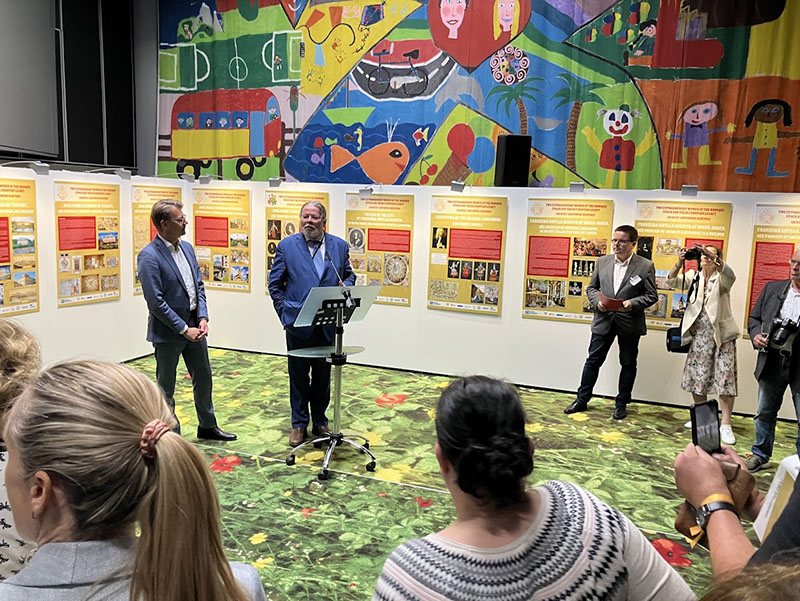
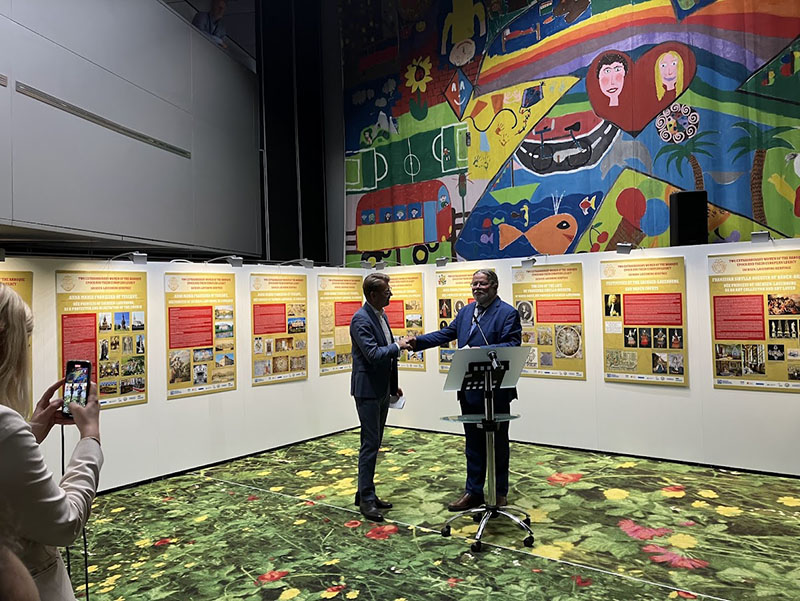
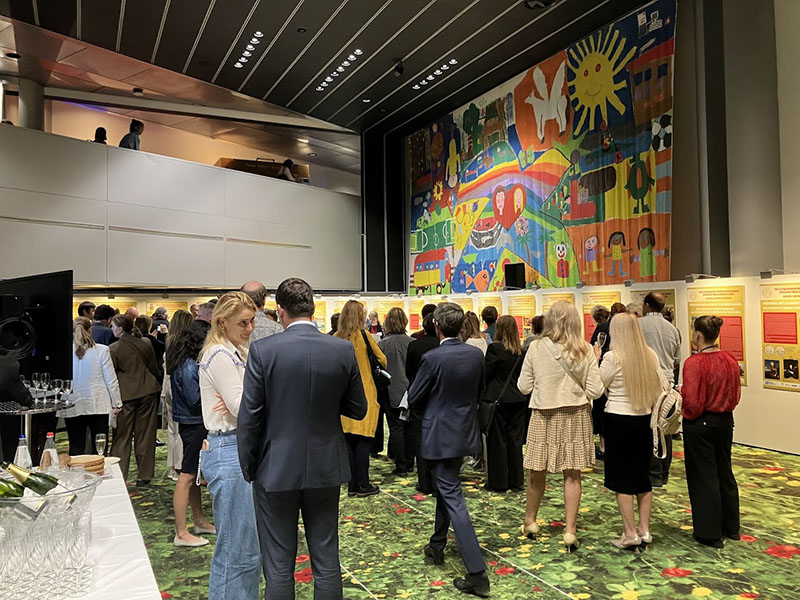
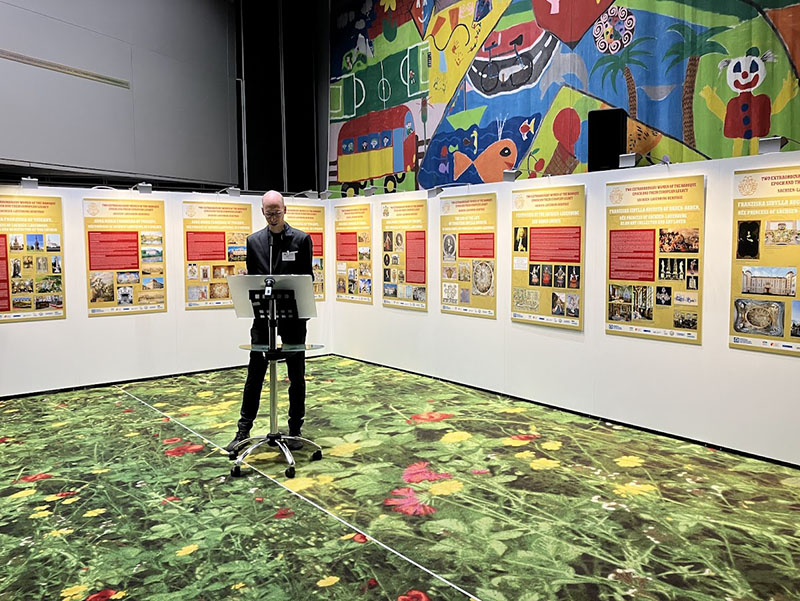
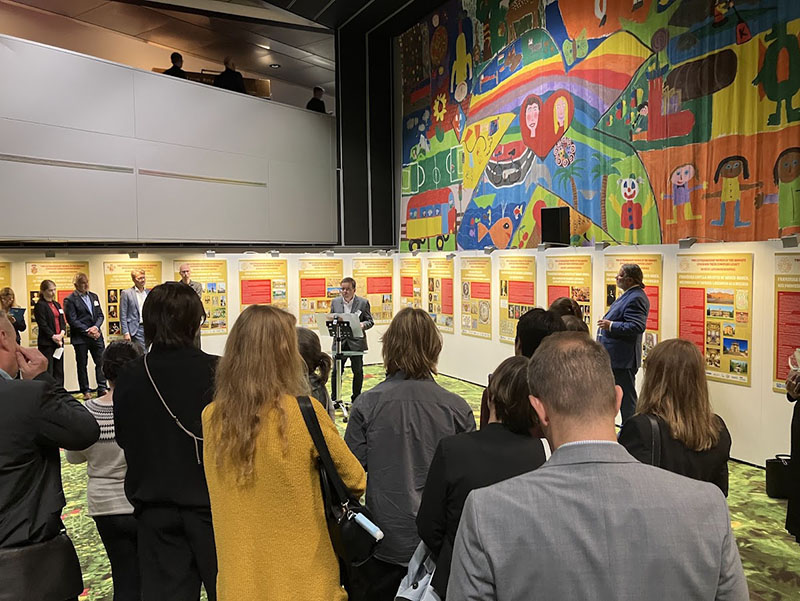
Úvodní slovo pronesené při zahájení výstavy v Evropském parlamentu.
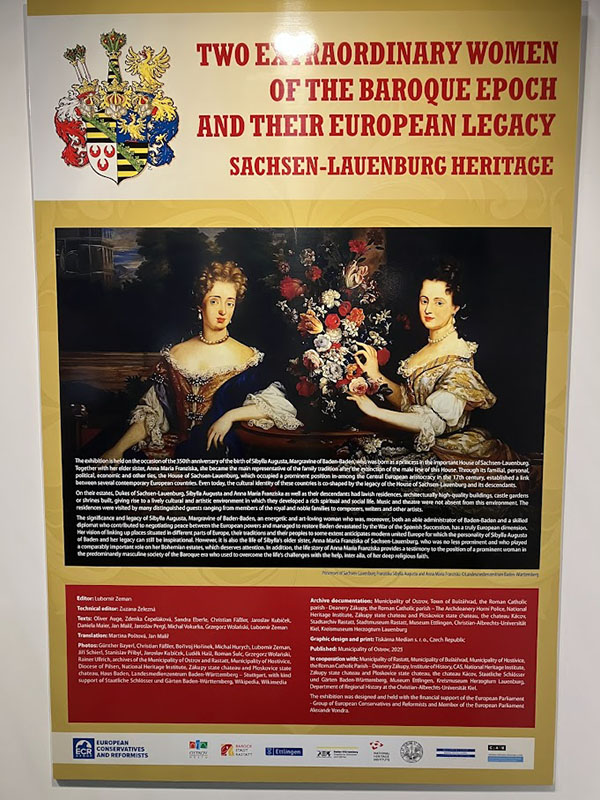
Hlavním cílem výstavy je prezentovat pozoruhodnou část evropských nadnárodních dějin pomocí příkladů dvou významných žen z období baroka – Anny Mari Františky a Sibylly Augusty, sester z rodu sasko-lauenburských vévodů. Tyto sestry se narodily před více než 300 let lety na konci 17. století. Na rozdíl od jiných žen té doby měly tyto dvě v životě jedinečnou příležitost samostatně vládnout po smrti svých manželů. Zároveň je potřeba připomenout, že tyto ženy vládly společnosti, která se od té naší diametrálně odlišovala,neboť byla v mnohem větší míře ovládána muži a tradicemi. V tomto ohledu zanechaly obě sestry výrazný otisk v regionech, které spravovaly, a v paměti lidí, kterým vládly. Avšak prvky ženské emancipace, které zde můžeme spatřovat, představují pouze zlomek z toho, čím nás mohou tyto dvě osobnosti inspirovat dnes nás – lidi 21. století.
Samozřejmě, že podobných příběhů z doby baroka existuje více, nicméně ty spojené se sasko-lauenburskými princeznami mají to privilegium, že jsou dobře zdokumentované a dodnes dochované. Příběhy obou sester navíc nepřežívají pouze v archivních dokumentech, ale jsou také zhmotněny v řadě staveb. Tyto stavby, ať už rezidence a zahrady, kostely nebo kláštery a v neposlední řadě rovněž krajinářské úpravy, jsou na jejich někdejších panstvích stále viditelné. Kromě toho mohou být tyto příběhy promýšleny a interpretovány, neboť literatura, tisky i hudební nahrávky nám umožňují oživit přinejmenším část z toho, čím kdysi žily dvory těchto dvou dam.
Příběhy obou princezen také dost přirozeně nabízejí řadu propojení mezi různými místy nacházejícími se v celé Evropě. Jádrem je pochopitelně středoevropský prostor, zejména Čechy a Bádensko, kde obě sestry strávily většinu života. Při bližším pohledu však vyjdou najevo jejich rodinné i osobní vazby a společenské sítě, budované skrze umění, podporu církve i přátelství, které propojují Evropu od Francie po Balkán na straně jedné a Skandinávie po Florencii a Řím na straně druhé. Korespondence a cestování princezen napříč Evropou, které jim byly vlastní, představují jednu z klíčových hodnot, na nichž stojí dnešní Evropská unie. Navzdory četným mezinárodním interakcím však princezny nikdy nezapomínaly na svá panství a lidi žijící na těchto panstvích.
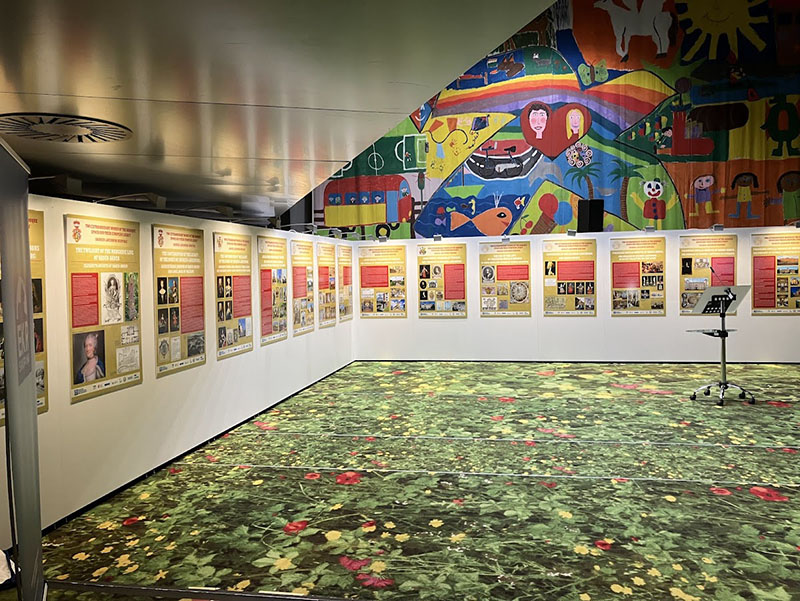
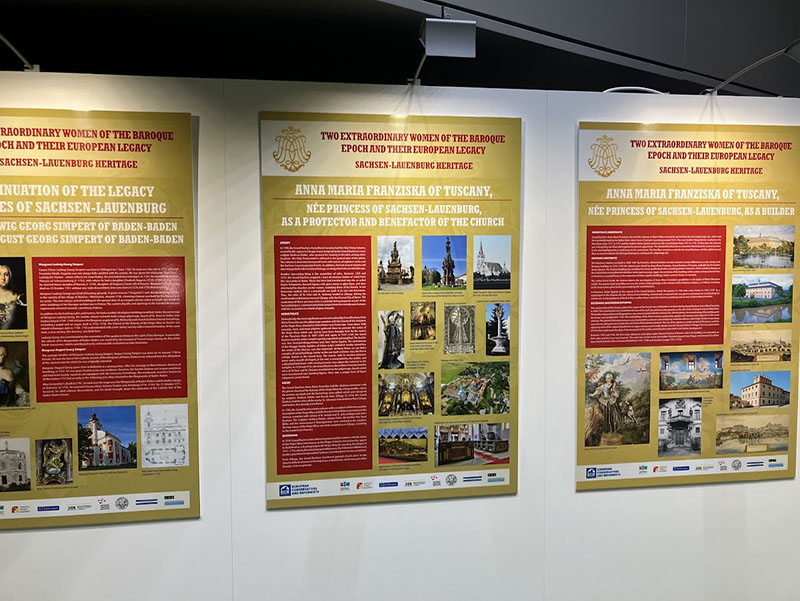
Tato výstava si ale klade za cíl ukázat ještě více. Díky mnohostranné a mezinárodní spolupráci, iniciované především z města Ostrova, do níž se však zapojila mnohá další místa z někdejších sasko-lauenburksých panství, jsme shromáždili materiály dokumentující kulturní výměnu a migraci, odolnost i adaptaci. Všechny tyto procesy, charakteristické pro období vlády obou sester, představují výzvy i pro naši společnost. Doufáme, že se nám podařilo představit tuto složitou historii srozumitelným způsobem. Na 23 panelech se věnujeme princeznám v kontextu dějin jejich rodu ve snaze ukázat jejich unikátní postavení v Čechách, Německu a Evropě 17. a 18. století. Snažíme se dokumentovat jak nákup statků, tak estetické, náboženské, jakož i ekonomické aspekty spojené s jejich správou – zkrátka vše, čemu se princezny jako majitelky musely věnovat. To je něco, co nevnímáme pouze jako historii, nýbrž jako dědictví a odkaz, jež si zaslouží být udržován a rozvíjen.
Během příprav výstavy jsme měli navíc možnost znovu objevovat a reinterpretovat rezidence této vymřelé dynastie a vazby, které mezi jednotlivými rezidencemi existovaly. Podobně si zaslouží být zmíněn i význam poutních míst a jejich spojení se Sibyllou Augustou a Annou Marií Františkou. Naštěstí se některá z těchto míst v nedávné době dočkala rekonstrukce. Jinou významnou rekonstrukcí, kterou chceme zmínit, je rekonstrukce Bádenského markrabství v 18. století po konci válečných konfliktů. Při této příležitosti Sibylla Augusta kreativně zapojila lidi i finanční zdroje z Čech, aby svou novou vlast pozvedla z popela po válce o španělské dědictví. I tento odkaz má význam pro dnešní Evropu a svět.
Existuje však ještě jeden podstatný cíl, který tato výstava sleduje. Výstava má totiž ukázat, že odkaz sasko-lauenburských vévodů a princezen se neomezuje jen na odborné historické publikace. Odkaz této rodiny, a především obou princezen jakožto významných představitelek rodu, naopak stále žije a má nezanedbatelný dopad na současnost na mnoha místech.
Před nějakými 20 nebo 30 lety, snad s výjimkou Rastattu v Bádensku, nebyli s rodinou obeznámeni ani odborníci na barokní historii ani široká veřejnost, a to i na těch četných místech v České republice, v Německu, v Itálii a jinde v Evropě, kde rodina zanechala své stopy. V té době se nezanedbatelná část mimořádných památek, ať už duchovních nebo světských i hmotných nebo nehmotných, které vděčí za svou existenci rodiny Sachsen-Lauenburg, nacházela v havarijním stavu nebo byla využívána způsobem zcela neslučitelným s jejich jedinečnou historickou a kulturní hodnotou. Naštěstí se tato perspektiva v poslední době hluboce změnila.
Postupně, v posledních zhruba 15 letech, se odkaz rodiny Sachsen-Lauenburg vynořil ze zapomnění, do kterého v mnoha částech Evropy téměř upadl. Tento šťastný vývoj byl způsoben dvěma hlavními faktory.
Zaprvé, přes všechny ztráty a škody je hmotné i nehmotné dědictví spojené s rodiny Sachsen-Lauenburg tak rozsáhlé a zachovává si tak velký kulturní, náboženský, hospodářský a turistický potenciál, že nemohlo být jen tak zapomenuto napořád.
Zadruhé, a to je podstatnější, objevili se jednotlivci, kterým nebyl osud odkazu rodiny Sachsen-Lauenburg lhostejný, jednotlivci, kteří tento odkaz považovali za velmi inspirativní i pro naši dobu. Okruh těchto jednotlivců sahal od místních patriotů, uměleckých amatérů a soukromých osob až po kněze, akademické výzkumníky a osvícené politiky a představitele církve. Krok za krokem, na různých místech a s prostředky, které měli k dispozici, začali tito lidé a jednotlivci upozorňovat na odkaz rodiny Sachsen-Lauenburg, vyzývat k obnově kulturního dědictví, které rodina zanechala, a také rozvíjet vlastní kulturní a duchovní iniciativy v návaznosti na mecenát umění, církve a kultury ze strany rodiny Sachsen-Lauenburg. Co víc, mezi těmito jednotlivci vznikly sítě, které postupně, ale zcela přirozeně překročily hranice jednotlivých evropských států. Díky společnému úsilí všech těchto jednotlivců a díky sítím, které mezi sebou vytvořili, odkaz rodiny Sachsen-Lauenburg znovu ožil. Příkladem toho může být nejen řada památek, které byly nedávno obnoveny do své bývalé krásy nebo které našly svůj nový smysl existence, ale také řada konferencí, kulturních programů nebo náboženských akcí, které navázaly na odkaz rodiny Sachsen-Lauenburg a které se uskutečňují v mnoha různých koutech Evropy.
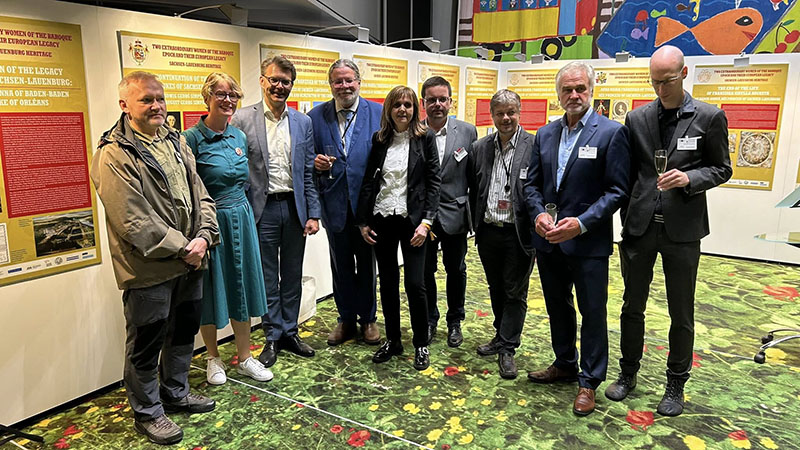
Nějakých 250 let poté, co rodina Sachsen-Lauenburg formálně odešla ze scény, tak její odkaz znovu žije a je mnohem viditelnější, než tomu bylo ještě před několika desetiletími. Důležité je také to, že toto dědictví přispívá k opětovnému navazování vazeb mezi jednotlivci s různým profesním nebo sociálním zázemím, a to bez ohledu na státní hranice, podobně jako v dobách velkého baroka, kdy členové rodiny Sachsen-Lauenburg byli skutečnými politickými a kulturními aktéry. Odkaz středoevropské aristokratické rodiny z doby velkého baroka tak také posiluje povědomí o společném osudu a provázanosti mezi národy žijícími v různých členských státech současné Evropské unie. Skutečnost, že se tato výstava může konat v prostorách Evropského parlamentu a přítomnost tolika významných hostů z různých zemí Evropské unie, jak se zdá, dokonale potvrzuje tento žijící a evropský charakter odkazu rodiny Sachsen-Lauenburg.
Přes všechno to, čeho bylo v posledních letech dosaženo – někdy až zázračně – a co se chystá ukázat tato výstava, není třeba říkat, že do budoucnosti existují ještě obrovské výzvy a mnoho cílů, ke kterým by mohla a měla směřovat další přeshraniční spolupráce, která staví na odkazu rodiny Sachsen-Lauenburg. Existují přesvědčivé důvody domnívat se, že při řešení těchto výzev by mohly významně napomoci nástroje založené na právu Evropské unie a Rady Evropy, obou evropských organizací se sídlem ve Štrasburku, jako je European Cultural Label („označení Evropské dědictví“) nebo European Cultural Routes („Evropské kulturní stezky“). Tato skutečnost tak ukazuje, že současný evropský projekt a zdánlivě vzdálené barokní dějiny mají nebo mohou mít velmi mnoho společného.
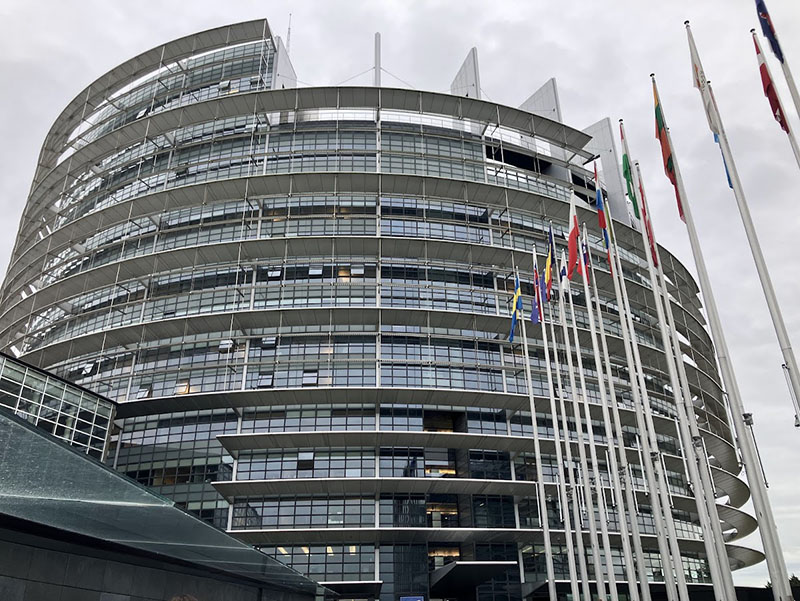
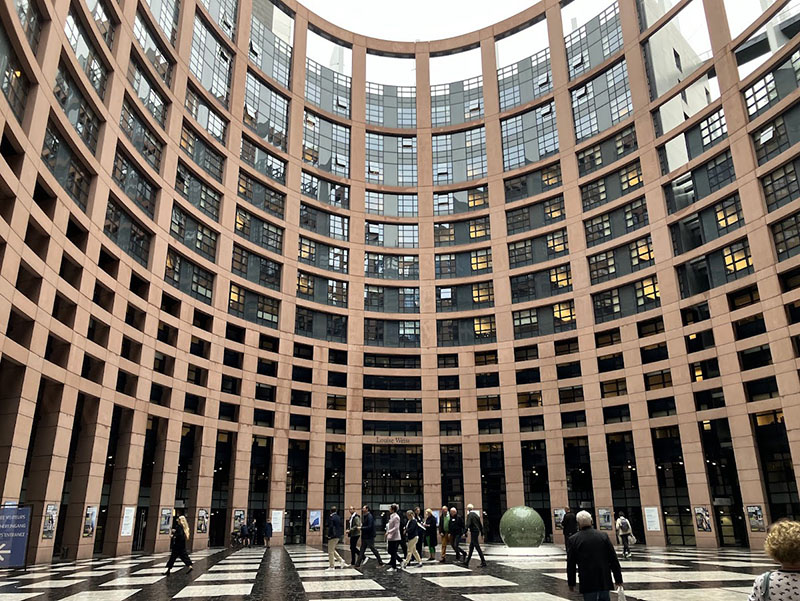
Díky Vám proto za možnost být zde v těchto nádherných prostorách Evropského parlamentu, které se nacházejí jen několik kroků od srdce města Štrasburku, které je nejen symbolem evropského rozdělení a usmíření, ale také městem, které je svědectvím o velké evropské politické, náboženské a kulturní minulosti, díky Vám za možnost podělit se společně o to, co bylo vykonáno pro zachování a posílení odkazu rodiny Sachsen-Lauenburg, a díky Vám za možnost diskutovat o tom, co by se v tomto ohledu mohlo a mělo v budoucnu udělat.
Panely výstavy v anglickém jazyce ke stažení zde (PDF 6,7 MB)
Speech pronounced at the occasion of the opening of the exhibition at the European Parliament (Michal Vokurka and Jan Malíř)
The primary aim of this exhibition is to present an interesting part of European transnational history using the examples of the two distinguished women from the Baroque period - Anna Maria Franzisca and Sibylla Augusta who originated from the family of Sachsen-Lauenburg and who were sisters. The two sisters were born more than 300 years ago, at the end of the 17th century. Unlike most women of the time, these two sisters had a rather unique opportunity to rule independently after their husbands had died. Consequently, the two sisters ruled in societies which substantially differed from ours and which were dominated mostly by men and traditions. Even under these circumstances, the both sisters left a significant mark in the lands they managed and in the memory of the people they ruled. However, the female emancipation or trend towards what could be called female emancipation is only one of many aspects inherent in the history of the both sisters that may be inspiring today for us, people living in the second decade of the 21st century.
Of course, there might be more similar stories from the Baroque period but those related to the princesses of Sachsen-Lauenburg have the privilege to be well documented and preserved until today. Importantly enough, the stories of the both sisters survive not only in the form of the archival documents but also in that of the material structures. These structures are constituted by palaces and gardens, churches and abbeys and, last but not least or designed landscapes, still visible in their former estates. Moreover, the stories of the both sisters can be still thought over and even heard as literature, prints and musical records still make it possible to revive at least part of the spirit of the courts of these two unusual women.
Naturally enough, the history of the two sisters from the family of Sachsen-Lauenburg provides extensive links between places which are situated all over Europe. The core of the history of the both sisters is obviously related to Bohemia and west-German region of Baden where they spent most of their lives. However, at closer look, through their family and personal relations, through their social roles and networks, through their artistic and religious patronage and through their friends, assistants and servants, the two sisters connect people and stories which actually range from France to the Balkans on the one hand and from Scandinavia to Florence and Rome in Italy on the other. The correspondence and travelling of the princesses across Europe, which they took as granted, represents one of the crucial values on which the today's European union stands on. However, despite their numerous international interactions, they never forget of the responsibility for their estates and for the people living in these estates.
But this exhibition is about to show more than that.
Thanks to the multilateral and multinational cooperation, having as its focal point the municipality of Ostrov but linking many different places where the both sisters once ruled, we were able to put together different types of documents and artefacts with a goal to demonstrate the processes of cultural exchange and migration, resilience and adaptation which characterized the period of the both sisters and which, in a way, provide challenges even for our times. We hope that we managed to present the vivid histories in a comprehensible way which may inspire even today. Therefore, on 23 panels, we pay attention to the history of the two sisters in the context of the history of the whole family of Sachsen-Lauenburg, attempting to demonstrate their unique position between Bohemia, Germany and Europe in the 17th and 18th centuries. We also try to document the acquisition of estates and the aesthetic, religious, as well as economic management - simply all the care that the owner, and especially the princesses, dedicated to them. This is something that we perceive not only as a history, but also as a heritage and legacy that deserves to be preserved and developed.
In preparing this exhibition, moreover, we had the chance to rediscover and re-interpret the residences of the once extinguished dynasty and all the links between the residences that had existed. Similarly, the importance of the baroque pilgrimage sites linked to Sibylla Augusta and Anna Maria Franzisca deserve to be mentioned. Fortunately, some of them were reconstructed in the last few years. There is a very substantial aspect we want to emphasize as well which is the reconstruction of the Margraviate of Baden-Baden directed by Sibylla Augusta in the beginning of the 18th century upon the end of European conflicts. Sibylla Augusta creatively employed people and resources both from Baden and from Bohemia in order to lift up her new Baden fatherland from the ashes of the War of the Spanish Succession. This aspect also has the significance for today's Europe and world.
There is, however, another substantial aim that this exhibition pursues. In fact, the exhibition is about to show that the role of the family of Sachsen-Lauenburg is not limited to textbooks of history but that the legacy of this family and, especially, the legacy of Sibylla Augusta and Anna Maria Franzisca, the great female representatives of the family, continues to live and has a palpable impact on the presence.
Some 20 or 30 years ago, except perhaps for Rastatt in Baden, even experts in Baroque history were not familiar with the family and neither was the general public, including in those numerous locations in the Czech Republic, in Germany, in Italy and elsewhere in Europe where the family left their traces. At that time, a non-negligible part of extraordinary monuments, whether spiritual or temporal, material or immaterial, which owe their existence to the family of Sachsen-Lauenburg, laid in a state of disrepair or were used in a way completely incompatible with their unique historical and cultural value. Fortunately enough, this perspective has profoundly changed in the recent period.
Gradually, in the last 15 years or so, the legacy of the family of Sachsen-Lauenburg has stepped out from oblivion into which it had nearly faded in so many parts of Europe. This lucky evolution has been due to two principal factors.
Firstly, despite all losses and damages, as it has been already mentioned, both material and immaterial heritage related to the family of Sachsen-Lauenburg is still so extensive and present and it retains such a great cultural, religious, economic and tourist potential that it could not have been simply neglected for good.
Secondly, and more essentially, individuals appeared who were not indifferent to the destiny of the legacy of the Sachsen Lauenburg family, individuals who viewed this legacy as highly inspiring even for our times. These individuals ranged from local patriots, amateurs of art and private individuals to priests, academic researchers and enlightened politicians and representatives of the church. Step by step, in different locations and through the means at their disposal, these individuals started to draw general attention to the legacy of the Sachsen-Lauenburg family, to call for the rehabilitation of the cultural heritage left by the family and, also, to develop their own cultural and spiritual initiatives in extension of the patronage of arts, church and culture by the family of Sachsen-Lauenburg. What is more, networks emerged between these individuals and, incrementally but naturally, these networks crossed the borders of individual European states. Thanks to the joint efforts of all these individuals and thanks to the networks which they established between themselves, the legacy of the Sachsen-Lauenburg family regained life again. This can be exemplified not only by a range of monuments which have been recently restored to their former splendour or which have found their new raison d'être but, also, by a range of conferences, cultural programmes or religious events which have built upon the legacy of the family of Sachsen-Lauenburg and which have taken place in many different corners of Europe.
Therefore, some 250 years after the family of Sachsen-Lauenburg formally departed from the scene, their legacy lives again and this legacy is far more visible than it used to be just a few decades ago. What also matters, this legacy contributes to re-establishing links between individuals with different professional and social background and that irrespective of the national borders, quite like in the times of the great Baroque when the members of the Sachsen-Lauenburg family were real political and cultural actors. In this way, the legacy of a Central-European aristocratic family from the times of the High Baroque also enhances the awareness of the common destiny and interdependence between peoples living in different Member States of the contemporary European Union. The fact that this exhibition can take place at the premises of the European Parliament and the presence of so many distinguished guests from different countries of the European Union seems to confirm perfectly enough this living and European-wide character of the legacy of the Sachsen-Lauenburg family.
In spite of all what has been achieved in the recent years – sometimes miraculously indeed – and what the present exhibition is about to demonstrate, needless to say that there are still immense challenges for the years to come and there are many goals to which further cross-border collaboration which builds upon the legacy of the family of Sachsen-Lauenburg could and should aim. There are persuasive grounds to believe that, in facing those challenges, instruments based on the law of the European Union and the Council of Europe, both European organisations established in Strasbourg, such as European Cultural Label or European Cultural Routes, could help a lot. This fact shows that the contemporary European project and seemingly distant Baroque history have or can have very much in common.
Thank you, thus, for the possibility to be here in these magnificent premises of the European Parliament situated just a few steps from the heart of a city of Strasbourg that is not only a symbol of European division and reconciliation, but also a city that bears witness to great European political, religious, and cultural past, thank you for the possibility to share together what has been done in preserving and enhancing the legacy of the of the family of Sachsen-Lauenburg and thank you for the possibility to discuss what could and would be done in this regard in future.